culture
Aurora's Historic Sites Inspire New Generation of Local Storytellers
Key dates and sites from the city's past continue to shape local storytelling and cultural interest.
How we reported this
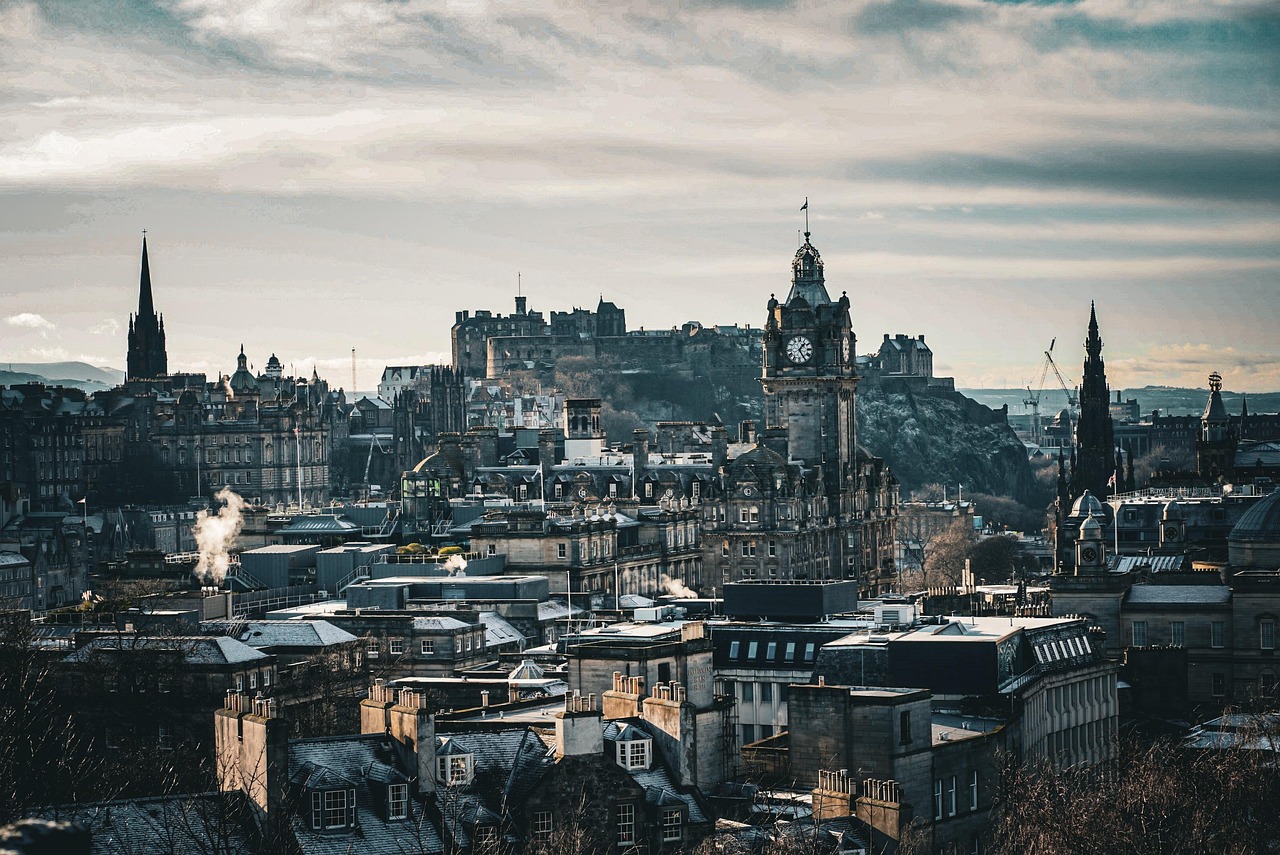
Aurora earned its City of Lights nickname after installing one of the first all-electric street lighting systems in 1881. That milestone, along with earlier milestones such as the 1834 founding and the 1849 railway charter, supplies concrete reference points that newer voices in the arts and heritage fields are drawing upon.
Founding along the Fox River
The city traces its start to 1834, when brothers Samuel and Joseph McCarty arrived from New York and chose a site on the Fox River to build a mill. The location later became the center of downtown activity on Stolp Island, where a Native American village had existed before European settlement. These documented origins provide specific material for writers, visual artists, and performers exploring themes of settlement and continuity.
Military museum and public library role
The Grand Army of the Republic Military Museum opened in the G.A.R. Memorial Hall in 1878. The building served as both a monument to Civil War veterans and Aurora's first free public library. Its dual purpose supplies a clear institutional timeline that local historians and emerging creators reference when discussing civic memory and access to knowledge.
Railway beginnings
BNSF Railway traces its start to the Aurora Branch Line chartered in 1849 to connect Aurora with West Chicago. The line marks the beginning of what became a major rail network, giving storytellers and documentarians a precise date and route to anchor narratives about transportation and economic change.
These fixed dates and named places appear repeatedly in local heritage materials. Emerging talent working in oral history projects, site-specific installations, and community archives frequently return to the 1834 settlement, the 1878 museum opening, the 1881 lighting system, and the 1849 railway charter because the details are verifiable and geographically anchored. No newer statistics are required to see that the same facts keep surfacing in fresh work.
Visitors and residents can continue to examine the G.A.R. Military Museum, Stolp Island, and surviving references to the original mill site and early rail corridor. Such direct engagement with the documented record remains the most reliable route for anyone seeking to connect present-day creative work with Aurora's recorded past.