lifestyle
Aurora Housing Guide: Cost, Access, and Top Neighborhoods Explained
As residential demand shifts across the city, here is your essential guide to navigating Aurora’s most sought-after postcodes.
How we reported this
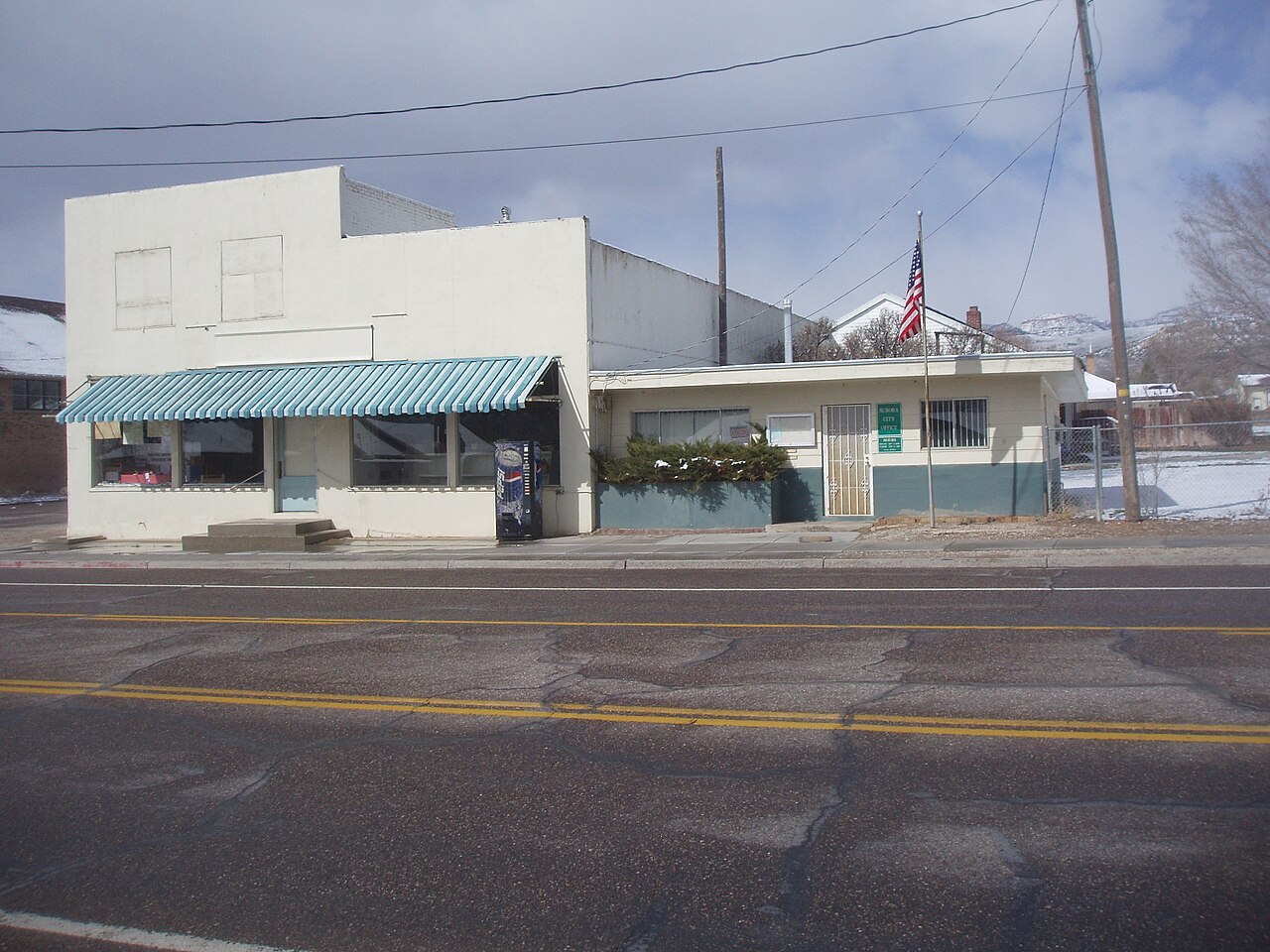
The residential market in Aurora has entered a period of recalibration, prompting prospective tenants and buyers to reconsider the traditional trade-offs between central accessibility and neighborhood amenities. For those looking to establish a foothold in the city, understanding the distinct character and fiscal requirements of key districts has become a prerequisite to securing a lease or property.
Mapping the Neighborhoods
The historic character of the Ironworks District remains a significant draw for professionals looking to minimize their commute. Proximity to the central transit hub at Central Station provides seamless access to the business core, though this convenience is reflected in competitive rental demand. Residents often frequent the heritage-listed Miller’s Plaza, a cultural landmark that hosts local weekend markets, while the nearby Aurora Botanical Commons provides a necessary green buffer against the high-density urban environment.
Further afield, the Riverside Heights precinct has grown into a destination for families and long-term residents seeking more expansive footprints. Managed under the Aurora Urban Renewal Strategy, this area has seen improved public infrastructure and enhanced lighting programs along the river walk. It offers a distinct shift in pace compared to the inner-city grid, with community focal points such as the Riverside Community Centre acting as a hub for local engagement and public services.
Financial Considerations and Access
Market data for the second quarter of 2026 shows that rental growth has moderated following an intensive period of upward pressure throughout the previous fiscal year. While the barrier to entry in highly sought-after corridors like Ironworks remains firm, vacancy rates have stabilized, providing a more consistent environment for those scouting properties. According to records from the Aurora Housing Bureau, the average time on market for residential leases currently tracks within a range consistent with historical seasonal trends, suggesting that while competition remains robust, the hyper-accelerated bidding environment seen in prior quarters has cooled.
Before signing a residential agreement, prospective tenants are encouraged to utilize the City of Aurora’s digital registry to verify property licensing and ensure that the unit is registered under the current municipal housing compliance framework. Independent inspections of the property’s HVAC systems and exterior masonry, particularly in older brownstone blocks, are highly recommended to avoid unforeseen maintenance burdens. Engaging with local neighborhood associations, such as those active in the Heights, can also provide insight into upcoming zoning changes or public works projects that may impact future property accessibility.