Politics
Aurora Council Votes to Adopt Inclusionary Zoning Rules, Placing City Among Minority Nationally
Monday's 6-3 council vote to require affordable units in new residential developments puts Aurora in a growing but still limited group of cities using inclusionary zoning to address housing costs.
How we reported this
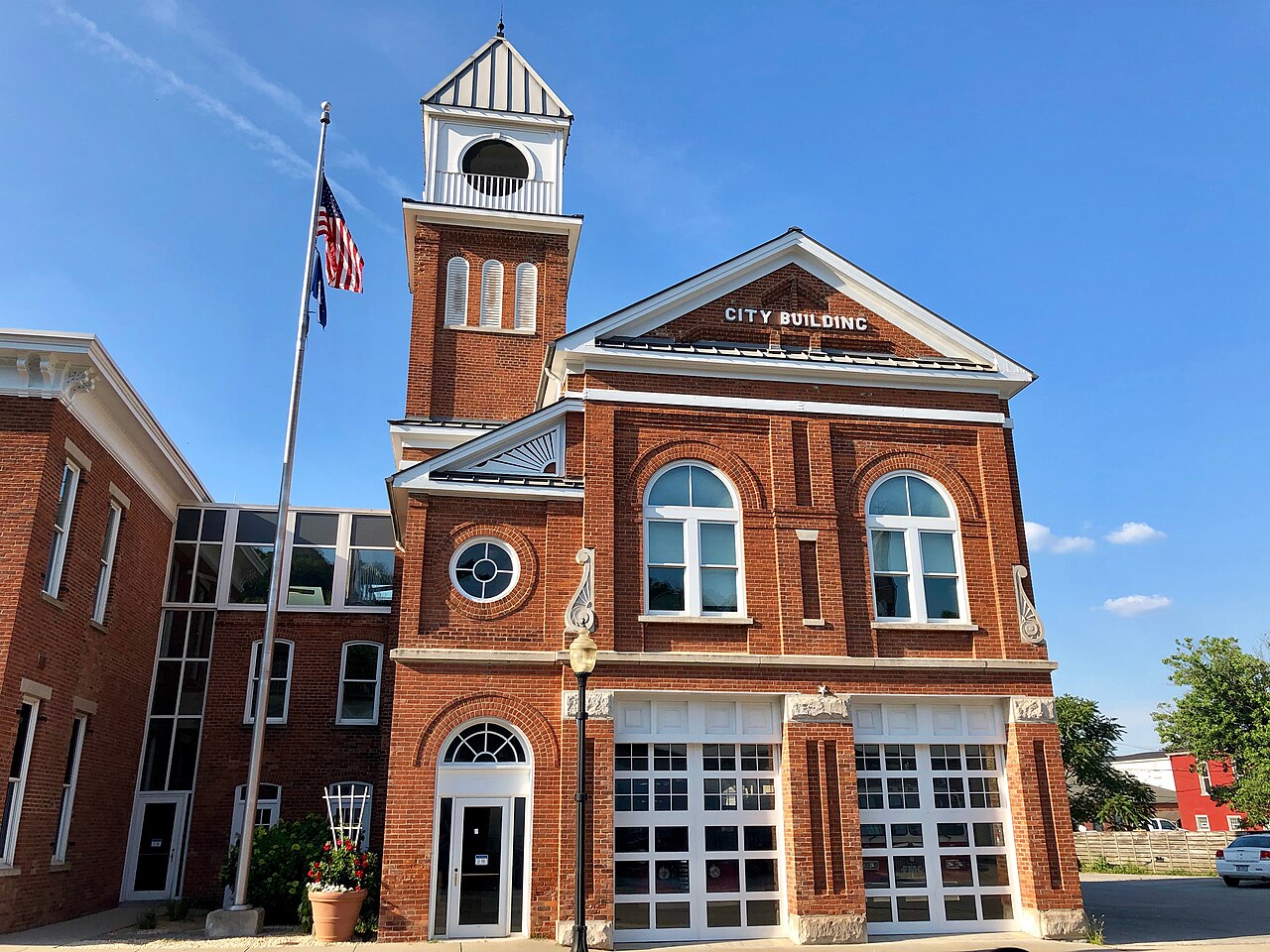
Aurora City Council voted 6-3 on Monday evening to adopt an Inclusionary Zoning Ordinance requiring developers to set aside 15 percent of units in any residential project of 10 or more homes as income-restricted affordable housing. The measure, passed at the July 7 regular session at City Hall, applies to new construction and major redevelopment projects citywide. Renters and homebuyers earning at or below 80 percent of Aurora's Area Median Income will be the primary beneficiaries, according to the ordinance text. The policy takes effect for all building permits submitted after September 1, 2026.
Council members brought the proposal forward after Aurora's housing department reported in May that median rents in the city had risen 22 percent over three years, outpacing wage growth in the same period by a factor of roughly three to one. The timing also reflects pressure from a Regional Housing Needs Assessment completed in March, which identified a shortfall of approximately 1,400 affordable units across Aurora by 2030. With several large mixed-use developments already in the permitting pipeline along the Eastside Corridor, council members argued the window to attach affordability requirements before ground breaks was narrow.
Where Aurora Stands Against Peer Cities
Fewer than 900 jurisdictions across the country have adopted mandatory inclusionary zoning programs, according to the National Housing Conference's 2025 inventory of affordable housing tools. Aurora joins cities such as Denver, Colorado, and Montgomery County, Maryland, both of which have operated mandatory programs for more than a decade. Denver's program, requiring 10 percent affordable units since 2022, has produced around 340 affordable homes in its first three years, city records show. Aurora's 15 percent threshold is higher than Denver's requirement and matches the level set by Montgomery County, which housing researchers frequently cite as one of the more productive examples nationally. Cities that have set thresholds below 10 percent have generally seen smaller absolute unit yields, policy analysts note, though the relationship between percentage requirements and developer activity varies significantly by local land costs and construction financing conditions.
For Aurora residents, the immediate practical question is what the ordinance means for housing supply and cost over the next five years. Under the ordinance's projections, the city expects between 3,500 and 4,200 net new residential units to enter the permitting process before the end of 2029. If the 15 percent set-aside applies across that range, between 525 and 630 affordable units would be required. The city's Community Development Department has projected that the first affordable units produced under the new rules would be available for occupancy by late 2028, given typical construction timelines. Qualifying households, those earning at or below $58,400 annually for a family of four based on the current AMI calculation for Aurora, would be eligible to rent or purchase those units at restricted rates.
Developer Fee Option and What Comes Next
The ordinance also includes an in-lieu fee mechanism. Developers who cannot or choose not to build affordable units on-site may instead pay $18,500 per required unit into Aurora's Affordable Housing Trust Fund, which the city will use to finance projects elsewhere. That fee level was set after the council reviewed comparable programs: Denver charges $15,000 per unit for its in-lieu option, while several California jurisdictions charge upward of $30,000. The Trust Fund currently holds $2.1 million, according to the city's fiscal year 2026 budget document, and the Community Development Department estimates the new fees could add between $1.5 million and $3.2 million to that fund over the first three years of the program, depending on how many developers elect the payment option over on-site construction.
Council is expected to hold a follow-up session in October to review draft administrative guidelines for the program, including application procedures for income-qualifying households and audit requirements for developers. The Planning Department has been directed to report back by January 2027 with data on permit applications submitted under the new rules. Residents can track those updates through the city's housing portal or attend the next Community Development Committee meeting, scheduled for August 12 at City Hall.